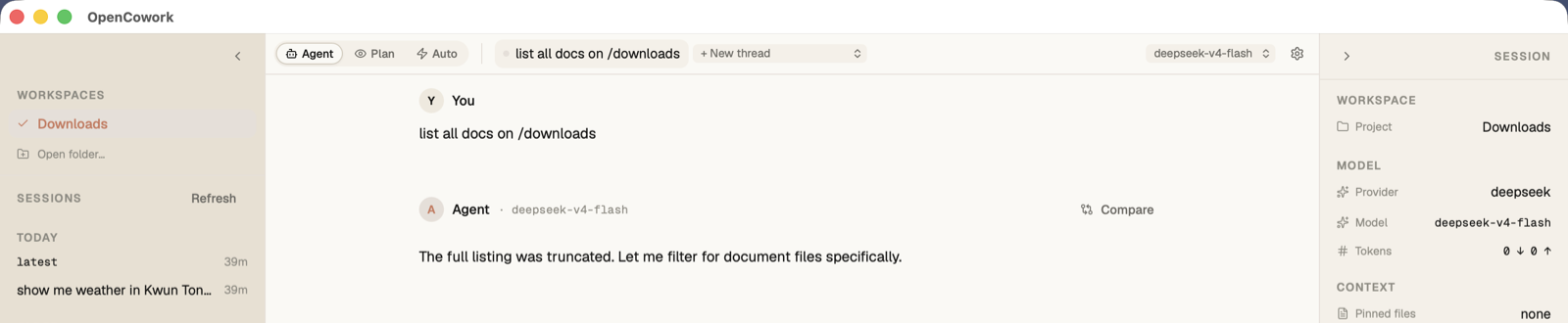
apptah makes agents and apps. An agent makes a plan. A person approves the plan.
The agent writes the files, publishes the posts, or gives an answer from the source data.
The product uses an LLM only when the task needs an LLM.
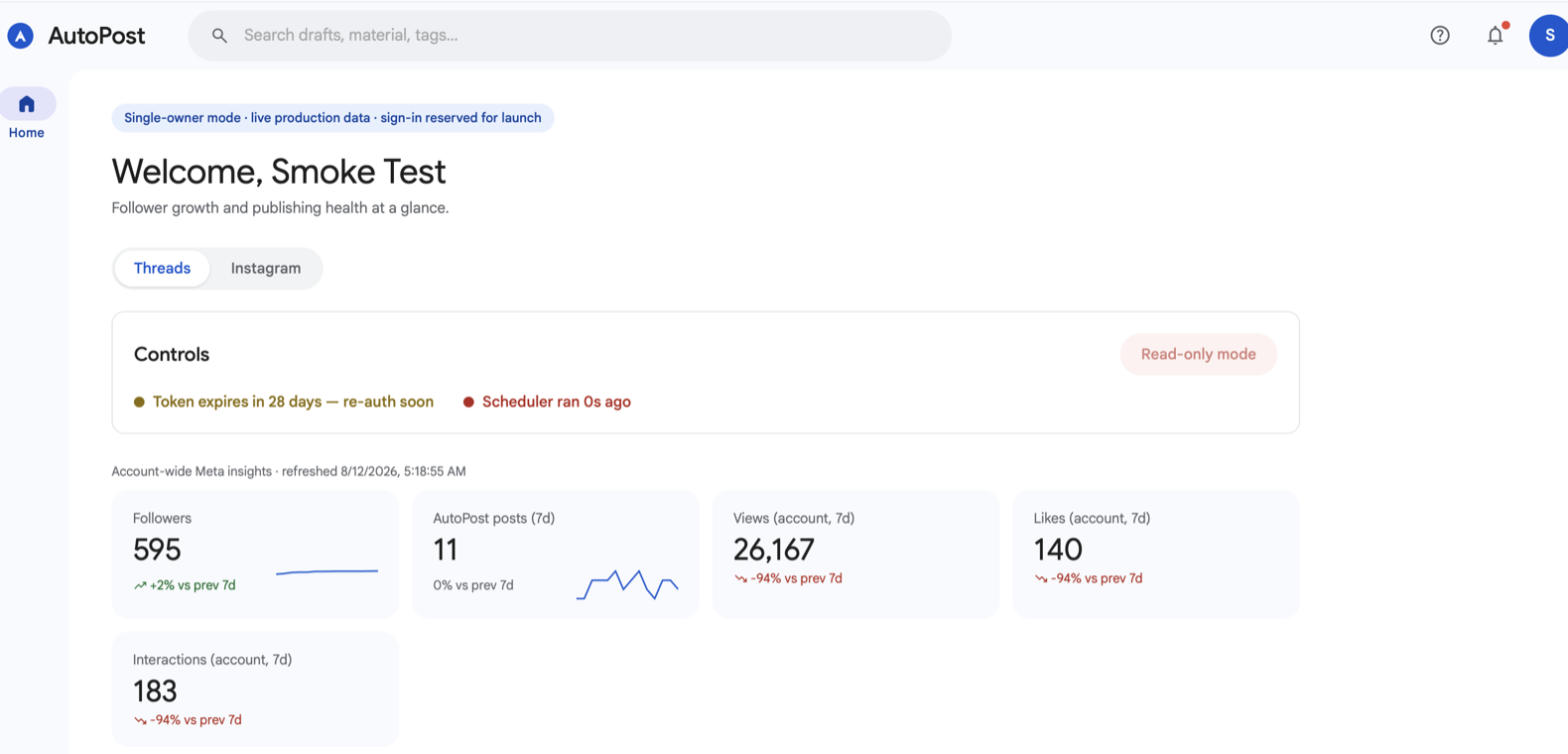
fig. 02. The morning screen shows a healthy queue. A person controls the queue.
03Self-hosted/On your hardwarePrivate
TaxSearch
You get answers from your files.
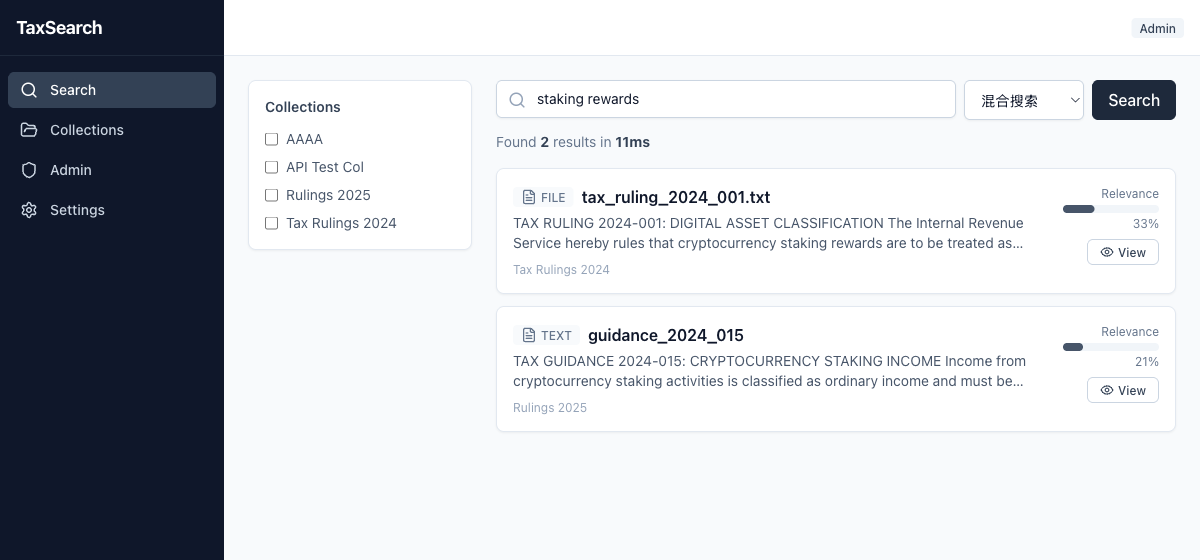
You ask a question in normal words. TaxSearch reads your PDF files, spreadsheets, presentations, and email. TaxSearch does not send the files to a cloud service.
Words and meaning. TaxSearch finds a result from the exact words and from the meaning.
Your hardware. The full process runs on your hardware. Regulated files and private files do not go to an external service.
A team. A team can use collections. Each tenant is separate. A viewer is included. You can search a set of files on the same day.
fig. 03. The screen shows two answers in 11 milliseconds. TaxSearch sends zero bytes to a cloud service.
042024 to 2025/iOSOpen source
PrivateAgent
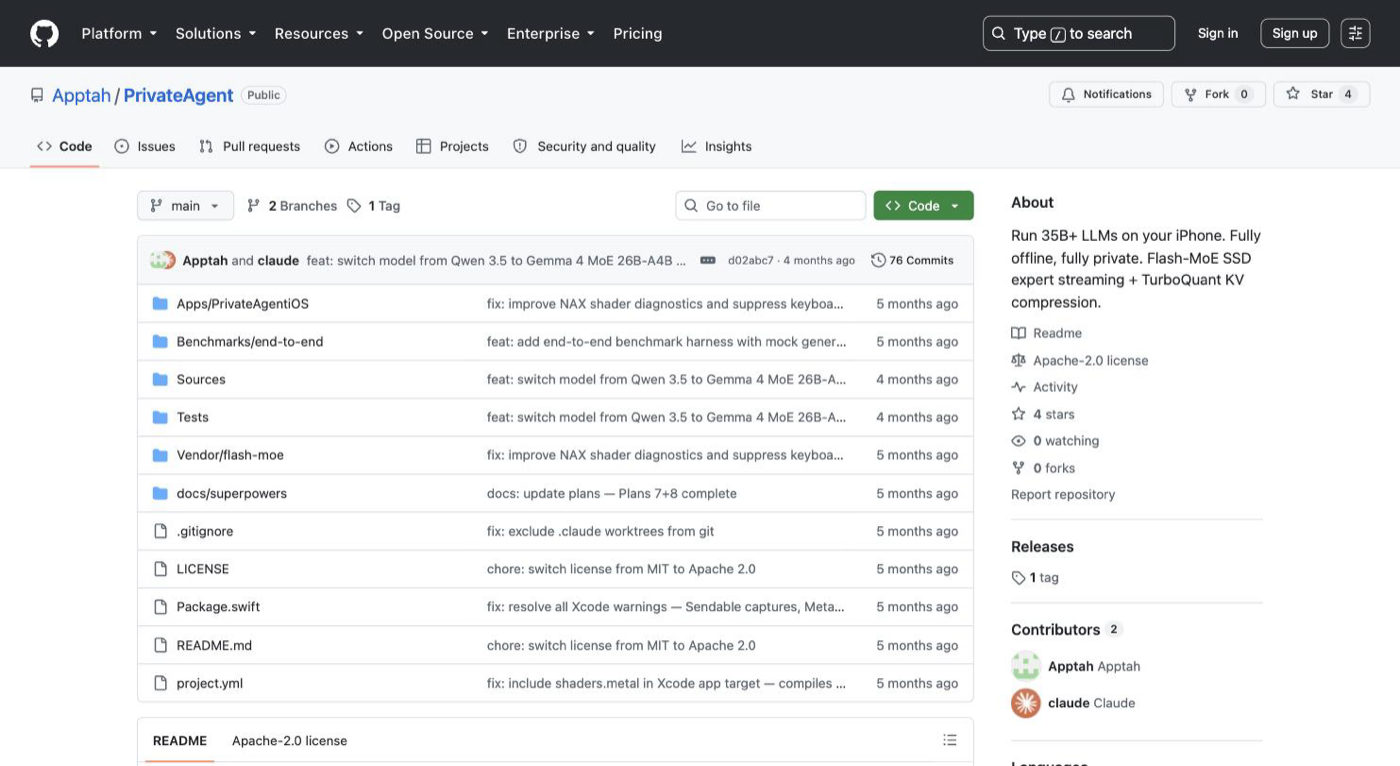
A model with 35 billion parameters runs on an iPhone.
The model runs on an iPhone. The iPhone does not need a network. You do not need an account. Data does not leave the iPhone.
Size and speed. The model has 35 billion parameters. The model uses 1.4 GB of memory. On an iPhone 16 Pro, the model writes three words each second.
Storage. The iPhone reads the model from storage when the model needs the data. The app compresses the chat history. A chat can continue for a longer time.
Licence. The project is free. The licence is Apache 2.0.
fig. 04. The repository holds a large model that runs on an iPhone.
052026 to present/iOS
Champions Advisor
The advice comes from a calculation.
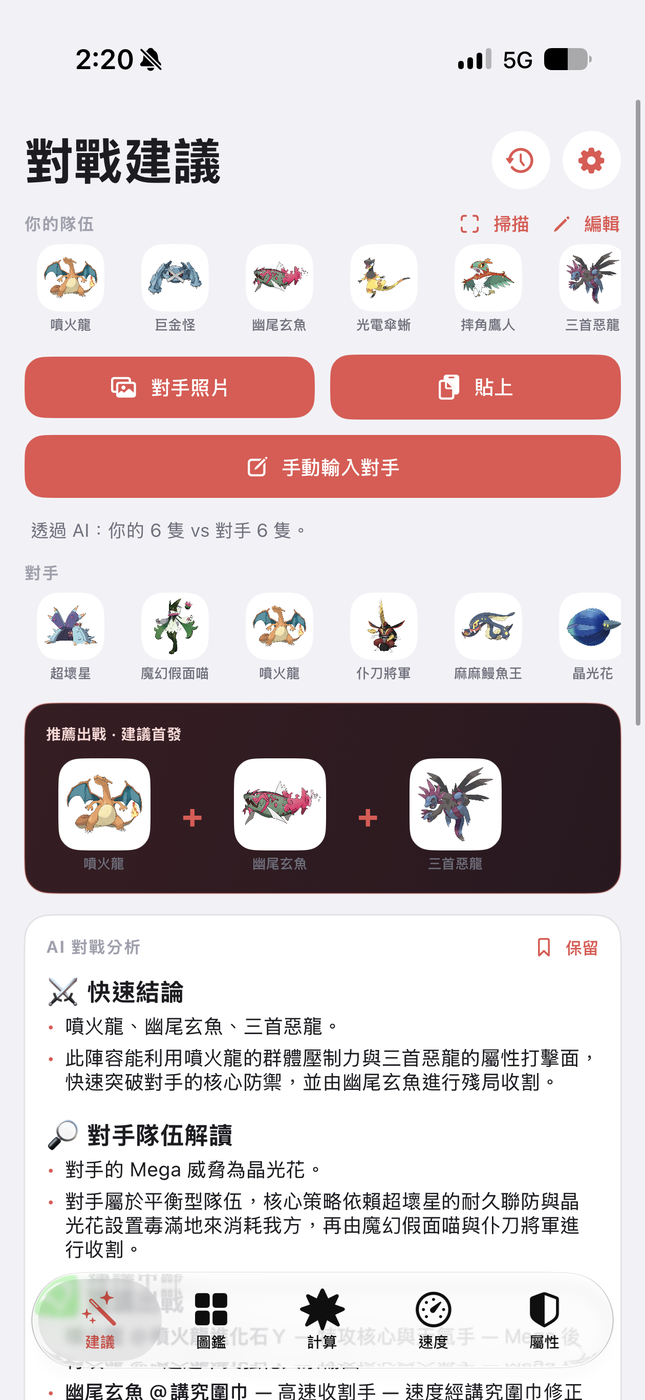
You take a screenshot of the team preview. The app tells you which items to bring and which move to use. The app calculates the result before it gives the advice.
A calculation. The engine calculates damage, speed, and the matchup. The engine is deterministic. The engine has 89 automated tests.
The screen. The app reads the screen on the iPhone. The model explains only a result that the calculator proved.
The business. The app has paid subscriptions. Each user has a spend limit.
Logic tests89
Screen readOn the iPhone
Model taskExplain only
fig. 05. Six units oppose six units. The app calculates the counter move.
062026 to present/iOSApp Store
HKeTravel
The route does not use an AI model.
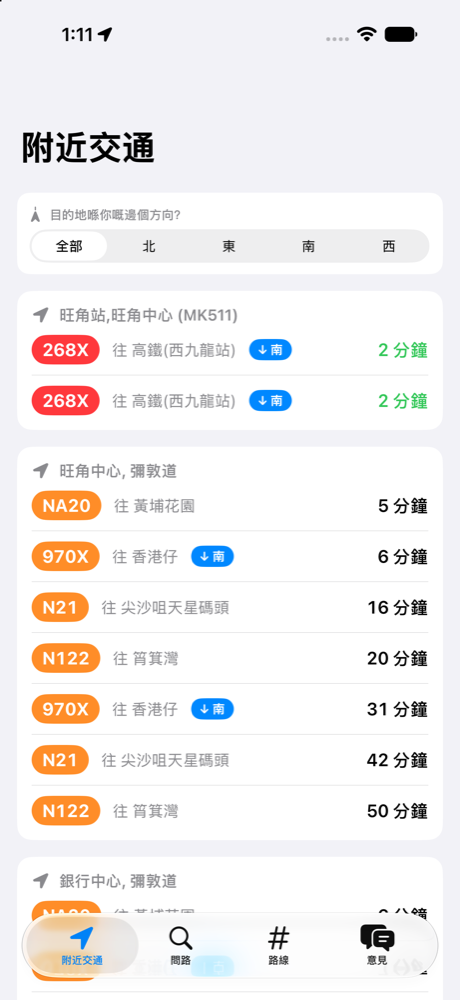
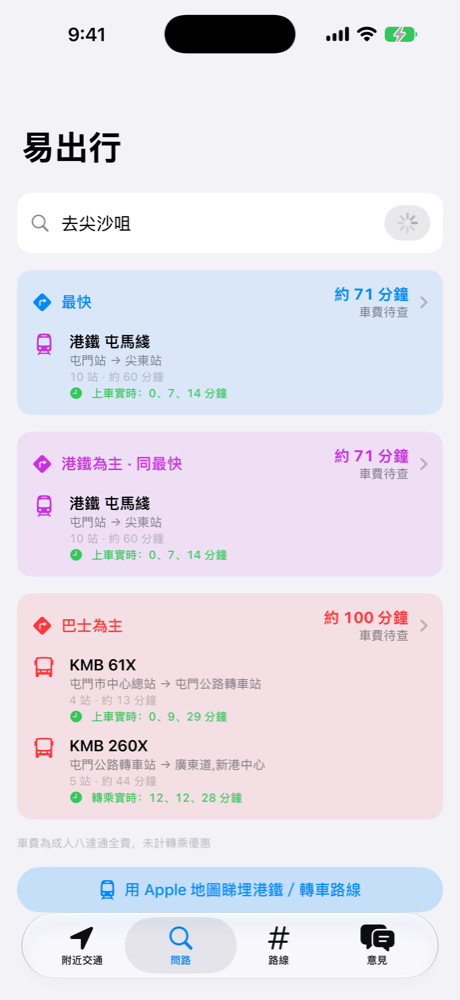
HKeTravel shows the fastest route across Hong Kong. HKeTravel shows the bus arrival time. The app uses the timetable calculation. The app does not use an AI model.
One route. One route can include the bus, the minibus, the rail, and the light rail. The app ranks each route by the door-to-door time. The app shows the live arrival time.
The fare. The fare on the screen is the fare that you pay. The fare includes the interchange discount.
Start and network. The app starts in 1 second. The previous start time was 7 seconds. The app works with no network. The app has four languages.
An agent reads the same history on each turn. That read has a cost. OpenClaw Memory stores the history. The agent does not read the full history again.
Three records. The memory uses keywords, meaning, and structured facts. The memory returns only the part that the agent needs.
No network. The memory runs with no network. The memory runs beside the agent.
Licence. The project is free. The licence is MIT. The project does not need activation. The project does not need a cloud service.
fig. 09. The agent keeps this memory between two chats.
102025 to present/Client deliveryDelivered
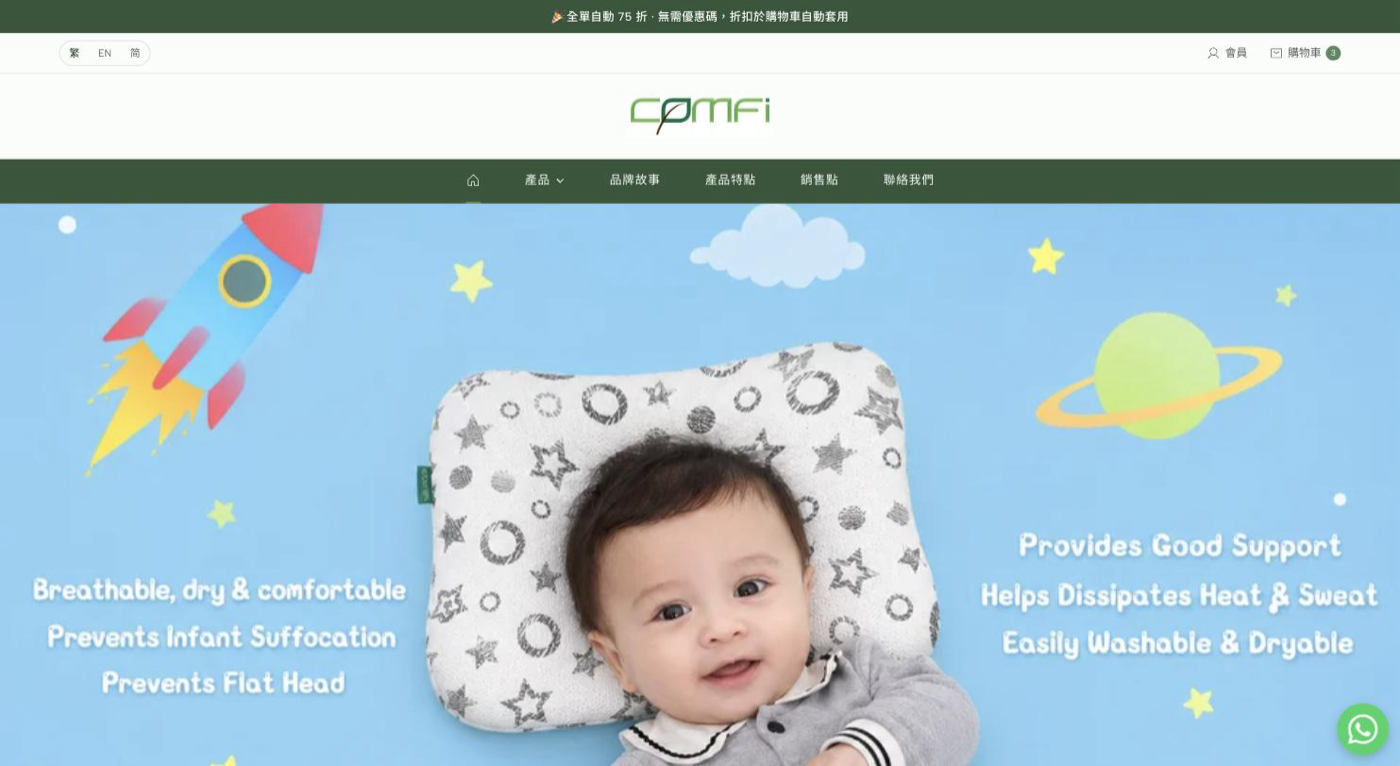
COMFi
The studio delivered a complete store.
The store is for a Hong Kong brand. The brand sells in nine or more Asian markets. The store includes payments, order email, alerts, and content management. The store worked on the delivery date.
Modules. The studio made the modules. The modules send payments, order email, web push alerts, and chat alerts. A content manager is included.
The price error. The studio found the price error before a charge. The error sets the price at 100 times the correct price. The studio corrected the error. No customer paid the wrong price.
The release. The store has three languages. The store has automated tests. The payments are protected. The store runs on the client domain.
fig. 10. The client shop is open in three languages.
The product list includes an on-device translation app. The app does not call an API. The list includes a cartoon image generator for educators. The studio made 12 products. This page shows 10 products.
02. Method
The studio uses five rules.
The studio applies these five rules to each product above.
1.Complete the task.A product must return a result. The result is a written file, a published post, or an answer from the source. A chat is not the result.
2.A person approves the result.A draft stops at a person. A plan stops at a person. A file change stops at a person. The person can approve, edit, or reject the item.
3.Private is the default.The studio puts the function on the device or on your server first. Private material does not leave your site. This rule is the start. A price does not buy privacy.
4.Use an LLM only when the task needs an LLM.If the task needs only a Python script, the product uses the script. The product does not use an LLM. If a calculation is more correct than an LLM, the product uses an algorithm. The product does not use an LLM for every task.
5.A released product is the standard.The product list counts an App Store listing, a live service, a paying customer, and an open licence. The list does not count a demonstration.
03. Open source
You can read the source of two products.
The source is public. The projects do not need activation. The projects do not need a cloud service.
PrivateAgent
The model has 35 billion parameters. The model runs on an iPhone. The engine reads the model from storage. The engine compresses the memory. All work stays on the iPhone. The iPhone does not send the data to a server.
This memory is for a personal AI agent. The memory uses keywords, meaning, and structured facts. The memory runs with no network. You put the memory beside the agent. The agent does not read the full history again.
The studio does product engineering. The studio deploys these tools on your hardware. The studio accepts a difficult brief. This address reaches a person.

 OpenCowork